 At Central Electric, safety is one of our highest priorities. We’re committed to providing reliable service while helping our members understand how to prevent electrical accidents and stay safe around electricity every day.

Outdoor Safety
- If there is a downed power line nearby, leave the area immediately and notify your cooperative or call 911.
- If others are around, let them know that they need to stay away.
- Teach children to stay away from power lines and substations and make sure they can recognize "Danger-High Voltage" signs.
- Fly with caution: keep kites, remote-controlled planes, drones, and balloons far away from power lines.
- If an object gets caughts in a power line, do NOT attempt to retrieve it. Call Central Electric immediately for assistance.
- Never use electrical equipment near any wet areas, such as pools or ponds.
- Remember, electricity looks for the shortest, most direct path to ground. A ladder, pole or even a wet kite string touching a power line will give electricity a new, shorter path and if you are holding one of these items, you could become a part of that path.
- With underground power lines ecoming more common in today's electrical systems, digging without knowing what's below can lead to serious consequences. Striking an underground wire could cause a power outage, severe electrical shock, or even death.
- Always call before you dig. Dial 811 at least three days before before starting a digging project, and workers will be sent to your home to mark utility lines in your yard. This service is free, and it has the potential to save your life.
- When landscaping near pad-mounted transformers, remember that line crews need space to safely work on energized transformers without disrupting service. Maintain a 10-foot clearance in front and keep 3 feet clear on the sides and back.

Indoor Safety
- Inspect outlets and electrical cords often. If outlets or switches feel warm and you're having problems with blowing fuses, tripped circuits, or flickering lights, please call a professional to fix the problem. Always inspect electrical cords for broken connectors or fraying. Throw away any worn cords to eliminate the possibility of shock, short circuit or fire.
- Don't overload power outlets.
- Install Ground Fault Circuit Interrupters (GFCI) on outlets near water sources, such as in kitchens, bathrooms, and outdoor areas.
- The wattage of the bulbs you use in your home should match the wattage indicated on the light fixture. Over-heated fixtures can lead to a fire.
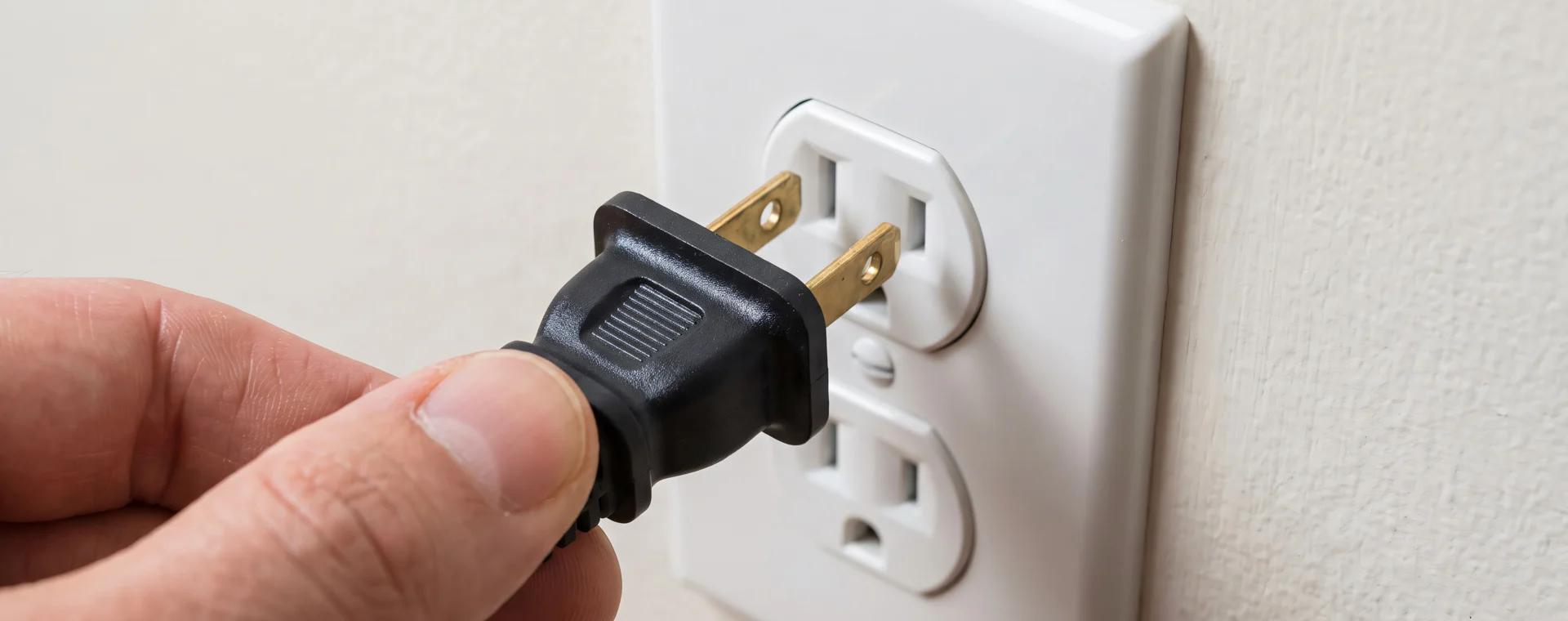
- When trying to unplug something from an outlet, pull on the plug, not the cord. If an outlet feels loose, have it repaired to prevent potential hazards.
- Keep in mind that turned off appliances are still connected to electricity until they are unplugged. Always unplug appliances before cleaning or repairing.
- Use extension cords only for short-term purposes, and make sure the cord is adequately suited for the amount of electricity it will be transferring.
- Regular power strips do NOT provide surge protection. For computers and other sensitive devices, use a surge suppressor, which looks similar, but is designed to react instantly and absorb high-voltage surges.
- Turn off and unplug all portable electrical appliances, like hairdryers, irons and shavers, when you're finished using them.
- Be familiar with the location of your breaker box and make sure the switches are clearly labeled so you can shut off electricity quickly in the event of an emergency.
- Teach children never to put their fingers in electrical outlets and appliances.
- Keep appliances and cords away from children and use plug covers in outlets.

Electric and Magnetic Fields (EMF)
- All power lines, building wiring, and electric appliances exhibit electric and magnetic fields.
- Electric fields are associated with the voltage level of electric lines and appliances.
- Magnetic fields are associated with the current flow in electric lines and appliances.
- Power line electric and magnetic fields are non-ionizing (does not damage cell tissue).
- Potential health effects of power line EMF have been studied for 50+ years, but no scientific conclusions on health advantages or disadvantages have been identified.
- Many common household appliances produce magnetic fields that can be stronger than those found near power lines, especially at close distances. For example, microwaves, hair dryers, and electric ranges can create magnetic fields significantly higher than those measured beneath distribution lines. The primary difference is that appliance exposures are usually brief and occur very close to the source, while power-line exposures are generally lower and decrease rapidly with distance.
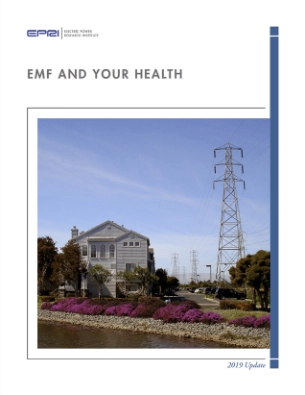
Would you like some additional information?