
Let’s get saving.
Together.
Central Electric is your partner for energy savings.
Take control with these energy-saving tips
You have control over how much energy your home uses. Check out the tips and programs below designed to help you save on energy costs.
Did you know sealing air leaks in a drafty home can save more than 20% on your heating and cooling bills? Adding weatherstripping is a simple way to keep outdoor air where it belongs.
- Choose appropriate weatherstripping type for each door.
- Clean surfaces thoroughly before installation.
- Test door closure to ensure proper operation and seal.
If the temperature is set too high, you could be wasting energy.
Some manufacturers set water heater thermostats at 140 degrees, but most households usually only require them to be set at 120 degrees. Consider lowering your water heater’s temperature to save energy and slow mineral buildup in the heater and pipes.
- Set water heater temperature to ~120°F.
- Avoid bacteria: test temperature at the farthest faucet to ensure 120-140°F.
- If the temperature is set too high, you could be wasting energy.

- Schedule temperature changes to align with your routine.
- Use the app to adjust settings remotely when plans change.
- Enable geofencing to automatically adjust the temperature based on your location.
Know Your Thermostat
Smart thermostats offer convenience and flexibility.
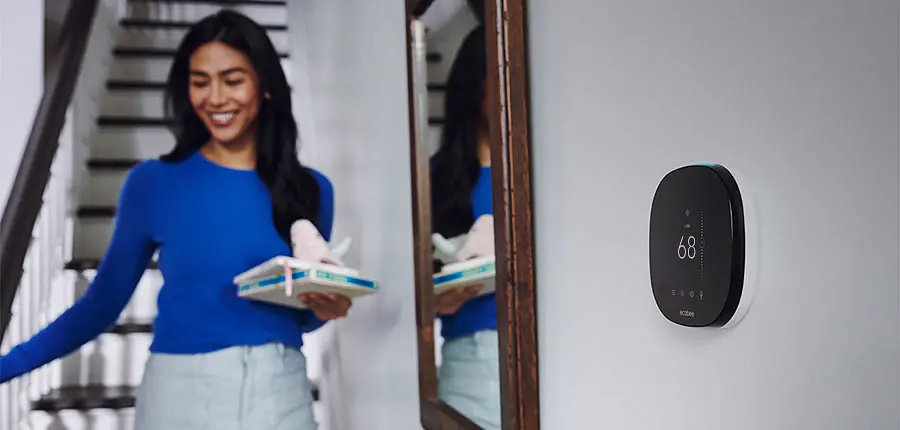
Q: We’re in the middle of winter, and I want to make sure I am getting the most out of my thermostat. What should I look for to stay comfortable while not breaking the bank?
A: Thermostats come in a variety of shapes, sizes and functionality levels. To maximize your comfort and energy savings, the first thing to do is identify what kind you have. While many recommendations apply to all thermostats, some devices can take care of steps for you. For the purposes of this article, we’re going to distinguish between three types: traditional, programmable and smart.
With traditional thermostats, you must manually adjust your home’s temperature at any given time. Programmable thermostats allow users to set temperatures based on a schedule, with Wi-Fi versions granting remote control, usually through a mobile app or online dashboard. Smart thermostats go further and may be able to learn your heating and cooling preferences over time, change temperatures based on occupancy levels, detect temperatures in different parts of your home using sensors or take advantage of voice control, which can be particularly beneficial for people experiencing mobility, vision or dexterity challenges.
(Note: The breakdown above is not universally used, and you may also see any Wi-Fi-enabled thermostat called “smart.”)
Thermostat basics
Once you know what type of thermostat you have, there are several things to keep in mind to align with your comfort and energy-saving goals. A general rule of thumb for the winter is to have your thermostat on the lowest temperature you are comfortable with (and lower if no one is home); the U.S. Department of Energy suggests a maximum of 68 degrees. In other words, the difference between the outside temperature and your thermostat setting should be as small as comfortably possible. This will limit how much your heating system runs.
If you have a heat pump, try to avoid bumping the temperature up too much at any one time. Doing so can trigger the AUX heat light and cause the system’s heat strips to energize, which use a lot of energy. Your home also doesn’t heat any faster with a higher setpoint temperature. If possible, stick to as constant a temperature as possible during these colder months.
Smart savings
Wi-Fi and smart thermostats give you more convenience and flexibility, so consider investing in the upgrade if your home has a traditional thermostat. Smart thermostats in particular tend to be more forgiving than others because they can optimize performance on their own, and many of their features can more easily promote comfort and energy savings.
If you have one, make sure you are using all it has to offer. For example, the device may be able to automatically move to a more energy-friendly temperature when it detects the home is empty. Smart thermostats can also connect to other smart home devices, such as lights or smart speakers, for additional possibilities.
If you’re in the market for a new thermostat, check for compatibility with your existing heating and cooling system. Do some research, talk with friends and neighbors, and ask your electric cooperative whether the model you have your eye on will meet your needs.
And no matter what kind of thermostat you have, consult the owner’s manual for installation and setup instructions. Online videos can also be a great place for tips and tricks.
- Check filter monthly during peak heating and cooling seasons.
- Replace when filter appears dirty or every 60-90 days.
- Match your filter to the MERV rating for your HVAC system.
Pricier isn’t always better.
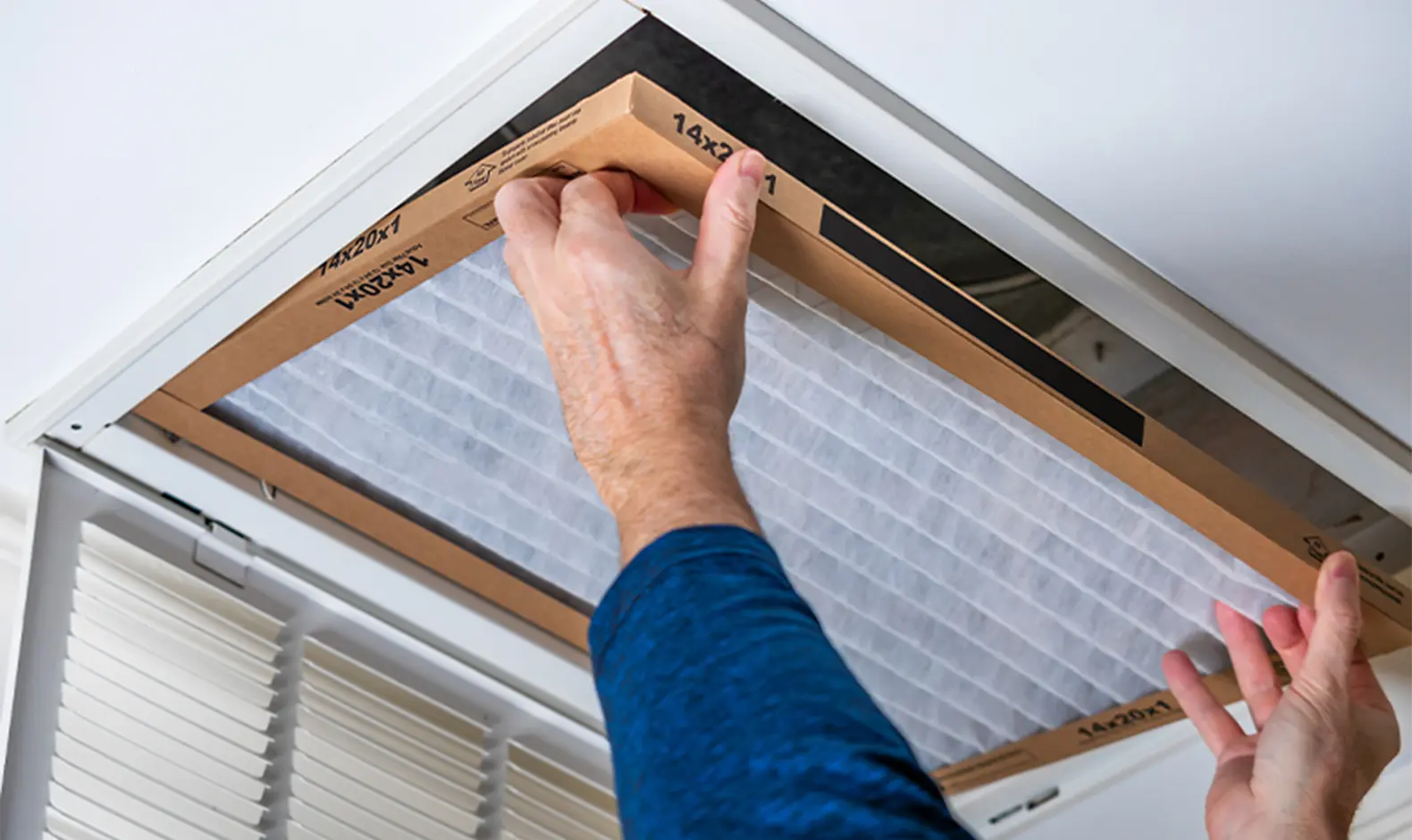
Q: I’ve been buying the same kind of filter for my heating and cooling system for years, but there’s such an assortment available. What’s the difference between the various types?
A: It certainly can be a little overwhelming to stand in front of a wall of air filters with all of their different labels, colors, numbers and costs. Before diving into some of the details, let’s review the purpose of these important home components.
Most modern central heating and cooling systems are a closed loop. As a very high-level description, when running, they pull air from around your home into a “return” (as air is returning to the system), which goes through an air handler fan to be conditioned. Conditioned air is then sent through supply registers in the floor or ceiling of each room, only to be sucked back into the return once again.
The filter is typically found at the return grille (you may have more than one) to help manage contaminants — think particles and chemicals — in your home’s air. If you didn’t have a filter, dust and debris would enter the return and could damage your heating and cooling equipment.
The main way filters differ is based on how well they can, well, filter. Minimum Efficiency Reporting Value (MERV) ratings are an industry-accepted metric that measure a filter’s ability to capture particles between 0.3 and 10 microns. To put this in perspective, one inch equals 25,400 microns. Filters with higher ratings are better at capturing and eliminating particles that would otherwise be circulating in the air. High-efficiency particulate air (HEPA) filters, which you may have been hearing more about over the past two years, are considered to be filters with the highest MERV rating of 17-plus.
You might think that a heavier-duty filter that captures more contaminants is automatically better. Some even help clean the air, and they can usually last longer before needing to be replaced. But don’t go running back to the store just yet — there are things to consider.
The air handler fan of your heating and cooling system expects to pull in air from your home at a certain rate. If you currently have a more basic filter and jump straight to one with a high MERV rating, your air would be cleaner, but that filter would also make it more difficult for air to pass, and your fan would have to work harder (using more energy and costing you more money) to push the right amount through. Something similar could happen with basic filters that are clogged, so it is important to check yours every month or so and replace them when they get dirty.
Another consideration with higher MERV filters is their size: They tend to be thicker than more basic filters, to the point that they may not even fit in your return grille. To remedy this, they can be installed further along in the system, such as right before the fan. If you think you want a filter with a high MERV rating, such as 13 or greater, talk with an HVAC contractor to make sure it will work properly.
If you’re worried about the air quality in a particular part of your home, you could try spot filtration for that area rather than changing your whole-home filter.
Finally, keep in mind that even the best filters only work as intended when there’s a good seal around them. If you notice gray dust around your filter, air might be bypassing it, rendering it less effective. You can give it a better fit by using tape or thin magnetic strips along the metal sides of the grille.
Learn about MERV ratings and air filters from the U.S. Environmental Protection Agency on epa.gov.
Put your ceiling fans to work in every season. In warmer weather, run fans counterclockwise to help you feel cooler. When temperatures drop, switch them to clockwise to circulate warm air. Since fans cool people instead of rooms, turn them off when no one is there.
Be strategic with blinds and curtains. Keep them closed when you want to block the sun’s heat, and open them on sunny cold-weather days to help warm your home naturally.

- Sign up in your online portal and start receiving high-use alerts.
- Set alert thresholds based on your typical usage.
- Review alerts to identify unusual consumption patterns.
- Understand how your home uses energy
- Discover areas for improvement
- Take simple, low-cost steps to lower your energy use
Energy efficiency is important to keeping your energy bill low and as a member, you have access to several programs to help you improve the efficiency of key systems and appliances throughout your home.
- Comfort Loan Program
- Heat Pump Rebate
- Heat Pump Water Heater Rebate
- Weatherization Assistance Program
- USDA Single Family Housing Repair Loans & Grants
- High Efficiency Residential Option (HERO) Rebate
Our Turn: We’re delivering savings across the grid with these initiatives.
While you manage energy use at home, Central Electric is hard at work behind the scenes. We operate at the cost of doing business, passing grid-level savings directly through to you, our members.
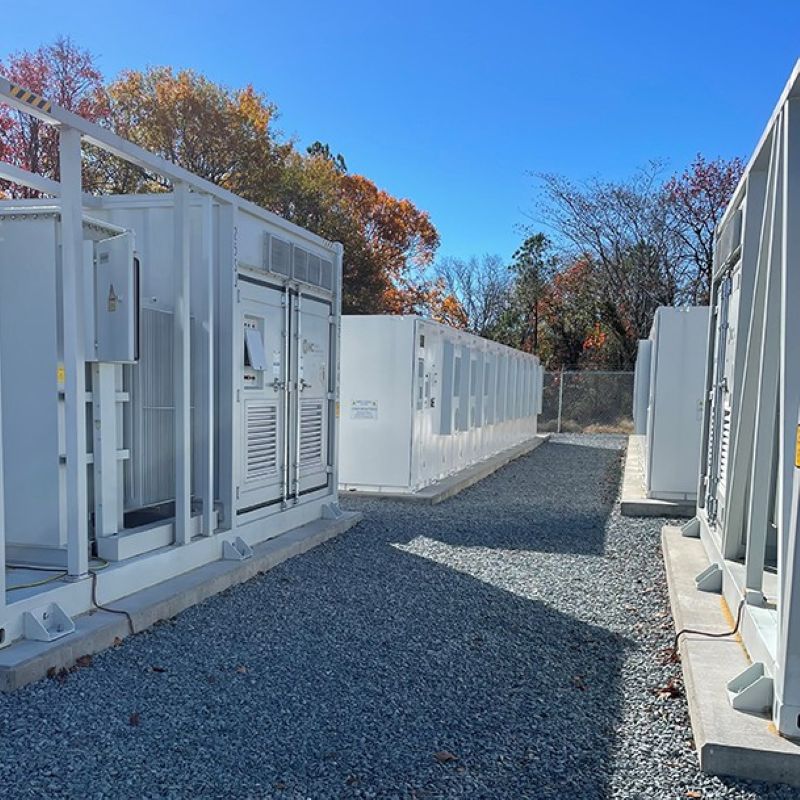
Managed Resources
Operating as a sophisticated distribution operator, North Carolina’s electric cooperatives work together to digitally link thousands of edge-of-grid resources (including Central’s utility scale substation battery system) to closely match electricity supply with real-time demand, offsetting the need for expensive traditional generation.
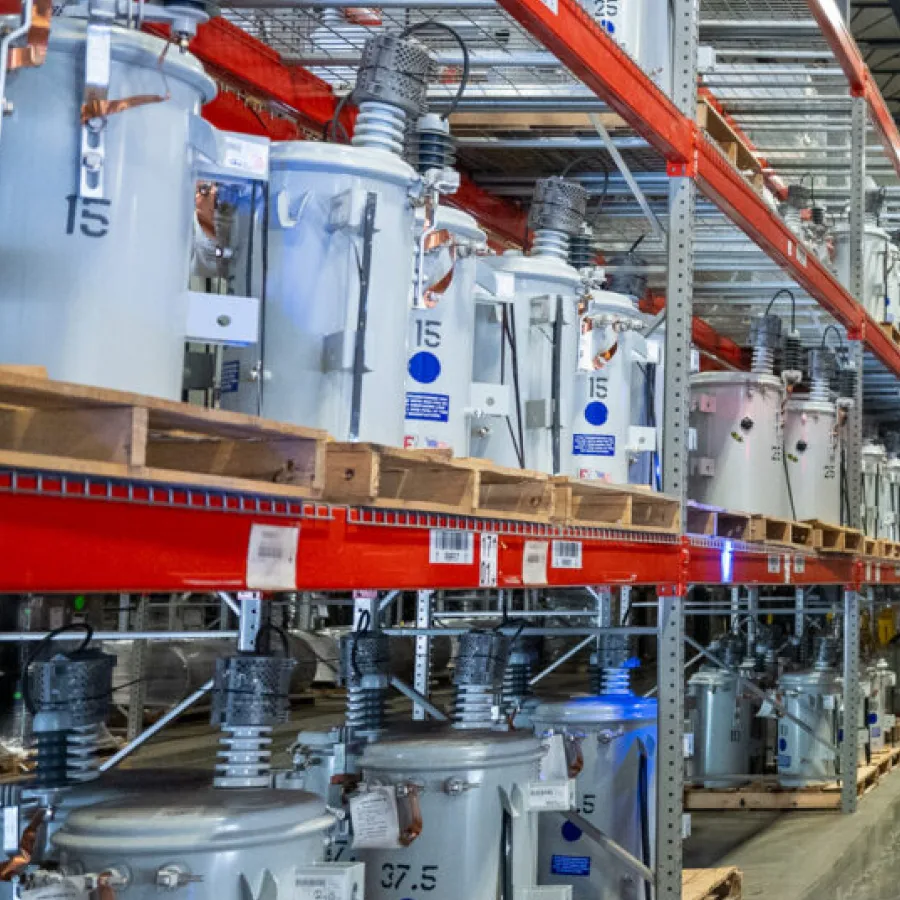
Bulk Purchasing
All 26 cooperatives in North Carolina pool their purchasing power to gain economies of scale on the materials including transformers, power poles and power lines. We leverage this purchasing power as we make necessary upgrades to our system to reliably serve you.
Questions?
Contact Central Electric for more information and energy saving tips.